The idea for this post was actually sparked a couple of years ago, when I used an idiom in conversation with my daughter. I thought I had a perfect context for it's use, but she hadn't heard it and didn't get it. In preparation for her competing at a gymnastics meet, we were visiting the meet venue in advance. The discovery of a bronze cast sculpture of two bulls, outside the venue presented the initial reminder plus an excellent opportunity for photos and for the use of the idiom; To take the bull by the horns.
Surprised by the fact that my daughter didn't initially understand the phrase, I've kept a list since, for fun and as it turns out, for a little bit of photography inspiration and challenge for myself, as well.
 |
| A picture is worth a thousand words. |
Too many irons in the fire.
He really went to town.
The proof is in the pudding.
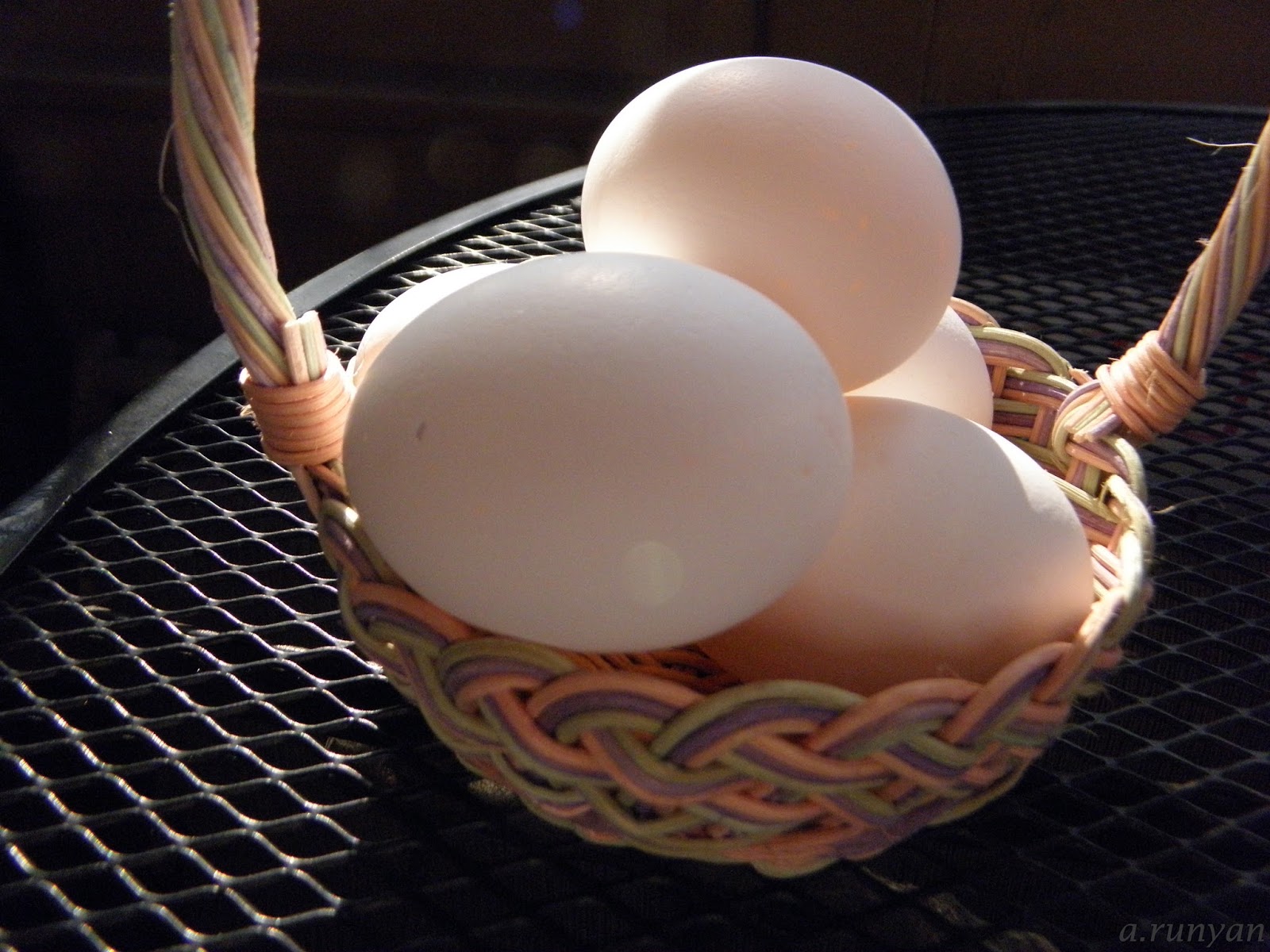
Don't put all of your eggs in one basket.
A bird in the hand is worth two in the bush.
Don't put all of your eggs in one basket.
A picture is worth a thousand words
Beauty is in the eye of the beholder.
Killing two birds with one stone.
Barking up the wrong tree.
A piece of cake.
Can't have your cake and eat it, too.
Don't let the cat out of the bag.
That's the pot calling the kettle black.
Seeing red.
A succinct definition of an idiom from ExamplesOf.com, "Idioms are literally ideas as expressions"sums up the language phrase concept. Idioms contain "strong elements of a metaphor" and frequently a strong visual element. The visual connotations are probably what fascinate me about the use of idioms and feed right into my visual artist explorations. Another sums it up,
a picture is worth a thousand words, as an excellent example."
 |
| Beauty is in the eye of the beholder. |
 |
| Don't put all of your eggs in one basket. |
In some cases the meaning of the original expression has remained, but the original reference has been lost. In some cases the words of an idiom have changed but the meaning has remained. Or in some cases, the activity once referred two is no longer really a part of our daily lives, thank goodness. For example, a violent one.
Killing two birds with one stone.
Context may be everything in the case of the use of idioms. Over time some of the words in an idiom may change but the original meaning remains. The meaning of an idiom will be understood by the people functioning within a similar language context but I've noticed that even in the face of some language or cultural differences many understand the meaning behind an expression. Many idioms simply sum up a human event or daily activity experienced widely across cultures, if not now, then in the past.
Don't put all of your eggs in one basket, is an example. Undoubtedly, this one would have more significant meaning to those who have actually gathered eggs and more significance still, if those eggs actually meant a meal on the table.
 |
An idiom that my daughter didn't initially understand when
I thought I had more then a perfect context for it's
use before she competed at a gymnastics meet. |
The key to passing on an understanding of language, it's many variations and the idioms it includes, is to engage in conversation frequently. Experience with using the words and expressions of our language well and with meaning requires engagement with that language. Encouraging ongoing dialog and providing opportunities for rich conversations in our homes and daily encounters is vital for our young ones to understand the world around them, the views of others and to express their own views well enough for others to understand. Engaging in conversation frequently with family, friends and as we go about our daily activities with those we meet along the way is important to maintaining understanding between us all.
 |
Don't let the cat out of the bag
(or in this case, the box). |
The proof is in the pudding, is a good example of the meaning of an idiom being carried on without the entirety of the phrase. I wonder how many children have a context to understand the complete process of making pudding. Apparently, the original phrase has actually evolved by dropping part of the early reference of
the set of the pudding. Referring to the desired result of a set pudding, actually makes more sense out of the phrase. However, who now, except for an active chef would even understand that the set of the pudding is everything in making a successful pudding. By referring to the result of an endeavor,
the proof is in the pudding, phrase to applies to the concept of good work, good results. I'll end with that idiom because it can be applied to the use of much dialog, discussion and language in our families, too. It's a good reminder to continue active dialog and communication as parents with our children. The set of our children's language skills is proof of the value of talking, talking, talking with our children.
As an example, Dictionary.com (a site I frequently use as a reference tool) has a cute video of a couple of kids explaining a few common English idioms.
Click on the title, check it out and keep talking to the children.